


Humanitarian Air Cargo Charter: How Avico Operates in Crisis Zones

In modern humanitarian crises, logistics often form the first line of response. When an earthquake destroys infrastructure, conflict blocks roads, or a pandemic disrupts supply chains, the rapid delivery of essential materials becomes a critical priority.
According to estimates from the United Nations and OCHA, humanitarian operations mobilize nearly $60 billion in logistics resources annually, with a significant portion relying on air transport. Medicines, medical equipment, food, or temporary shelters often need to reach hard-to-access areas within hours.
In this context, humanitarian air cargo charter represents a strategic tool for NGOs, governments, and international organizations. By mobilizing dedicated cargo aircraft, it is possible to bypass the limitations of commercial transport and respond quickly to emergencies.
For over thirty years, Avico has supported these operations through its international network of airlines and logistics partners. Experience gained during major crises, notably the COVID-19 pandemic where 297 flights were coordinated within months, demonstrates the company’s ability to operate in complex environments.
Humanitarian Air Cargo Charter – A Permanent Service at Avico
Although media-covered crises attract public attention, humanitarian air operations are in fact a permanent activity for many logistics players.
Beyond COVID – Expertise Built Over Decades
Humanitarian crises extend beyond dramatic events. Floods, droughts, health emergencies, or population displacements regularly require rapid delivery of critical supplies.
Air transport provides key advantages:
- Rapid deployment of resources
- Access to remote or isolated regions
- Ability to carry sensitive or specialized cargo
- Coordination with international teams
For over thirty years, Avico has managed the chartering of cargo aircraft capable of transporting tens of tons of equipment to sensitive areas. This activity aligns with the broader development of international logistics, detailed in our article on Avico cargo growth.
Who Uses Humanitarian Air Cargo Charter?
Humanitarian air transport engages a diverse range of actors:
- International NGOs
- United Nations agencies
- Governments
- Companies operating in sensitive regions
Organizations such as the World Food Programme (WFP), UNHCR, and international medical agencies frequently rely on cargo charter solutions to deliver life-saving supplies. In these operations, rapid response and reliable logistics partners are crucial.
Avico’s 297 COVID-19 Flights – Lessons Learned
The COVID-19 pandemic represented one of the greatest global logistics challenges in recent decades.
Between March and June 2020, Avico coordinated 297 humanitarian and medical flights to transport critical supplies and facilitate international repatriation operations.
The Context – Border Closures and Disrupted Commercial Freight
At the pandemic’s onset, many countries closed borders and suspended most commercial air traffic.
This led to a sudden break in global supply chains. Essential medical equipment could no longer be delivered through standard channels. In this context, cargo charter became one of the few ways to rapidly deliver critical goods.
For a detailed account, see our article on COVID crisis charter operations.
Cargo Transported
During this period, chartered aircraft carried a wide range of essential medical equipment, including:
| Cargo Type | Details |
| Personal Protective Equipment | Masks, gloves, gowns, face shields |
| Respiratory Equipment | Ventilators, ICU devices |
| Testing Kits | COVID-19 detection and diagnostics |
| Medicines & Medical Devices | Emergency pharmaceuticals, surgical kits |
| Hospital Equipment | Emergency hospital units and supplies |
Most of these shipments originated from Asia and were delivered to European and African countries facing equipment shortages.
24/7 International Coordination
Operations involved 11 countries and multi-continental coordination. Key logistics included:
- Multilingual teams available 24/7
- Coordination with aviation authorities
- Ground transport from warehouses to airports
- Customs and clearance management
Each flight also required close collaboration with national health authorities.
Operational Challenges
The pandemic revealed major logistical hurdles:
- Overflight restrictions across countries
- Need for urgent special permits
- Financial requirements from airlines under uncertain conditions
- Insurance constraints for high-risk destinations
Despite these obstacles, operations were maintained thanks to tight coordination among all parties.
Types of Humanitarian Operations Managed by Avico
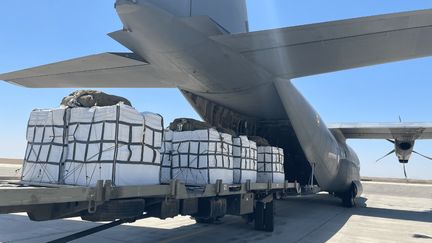
Humanitarian air missions cover a wide range of situations and logistical needs.
Emergency Medical Cargo
Rapid delivery of medical equipment supports local hospitals in health crises. Cargo includes:
- Medicines and vaccines
- Surgical instruments
- Mobile care units
- Diagnostic equipment
These shipments often require specific transport conditions, including temperature control and security measures.
Food Aid and Water Supply
In areas affected by food crises or natural disasters, air transport enables rapid delivery of essentials:
- Emergency rations and humanitarian food
- Water purification systems
- Storage equipment
Operations are particularly common in parts of Africa and South Asia.
Repatriation of Refugees or Nationals
During political crises or natural disasters, governments may organize repatriation flights. These charters can combine passenger transport with humanitarian cargo to maximize efficiency.
Post-Disaster Reconstruction
After major natural disasters, logistics needs evolve quickly. Reconstruction operations often require transporting bulky items:
- Generators
- Construction equipment
- Temporary shelters
- Sanitation supplies
Air transport accelerates these operations in the initial phases of reconstruction.
Most Frequent Intervention Zones
Humanitarian air operations often focus on regions particularly prone to crises.
Sub-Saharan Africa
The Sahel, DR Congo, and Somalia are regular operational zones. Limited infrastructure increases the importance of air transport. Regional hubs such as Nairobi and Addis Ababa serve as logistics platforms.
Middle East
Countries such as Yemen, Syria, and Lebanon regularly require international aid transport. Amman and Dubai act as central logistics hubs for international organizations.
South Asia
Bangladesh, Pakistan, and Myanmar are frequent operational regions. Natural disasters like cyclones and floods require rapid deployment of emergency materials.
Airport Access Challenges
In crisis zones, airport infrastructure may be damaged or congested. Charters must account for:
- Limited or damaged runways
- Humanitarian traffic congestion
- Reduced handling capacity
- Security constraints
Operational experience and local partner networks are critical to success.
Why Choose a Private Broker for Humanitarian Operations?
International organizations sometimes have their own logistics capabilities but may also rely on private brokers to complement their resources.
Rapid Deployment
Some UN and international structures have complex administrative procedures. Private brokers often accelerate cargo mobilization when urgent.
Flexibility and Confidentiality
Humanitarian operations often involve sensitive contexts. A specialized broker can provide tailored solutions while respecting confidentiality requirements.
Reliable Airline Network
Crisis zones require carriers with experience in challenging environments. Avico’s international partner network ensures quick mobilization of qualified operators.
How to Launch a Humanitarian Operation with Avico
In emergencies, speed is critical. Avico supports humanitarian organizations and governments through every stage:
- Analysis of demand and logistics requirements
- Identification of suitable cargo aircraft
- Coordination with aviation and customs authorities
- Organization of loading and ground transport
- Flight tracking and coordination with on-site teams
This approach ensures smooth operations, even in complex environments. Organizations can initiate an emergency mission via our special and humanitarian flights service or request to launch a humanitarian operation.
Conclusion
In a world facing increasingly frequent humanitarian crises, air logistics is essential for rapid delivery of international aid.
Whether transporting medical equipment, food, or reconstruction supplies, humanitarian air cargo charter mobilizes critical resources within hours.
Avico’s extensive experience, including 297 flights coordinated during the COVID-19 pandemic, demonstrates the value of a reliable logistics partner in crisis contexts.
For NGOs, international institutions, and governments facing urgent situations, Avico teams provide rapid deployment solutions via our Avico cargo charter service.
FAQ
Does Avico work with the United Nations?
Yes, Avico operates for international organizations, including UN agencies such as WFP or UNHCR, for emergency humanitarian operations.
How can a humanitarian air charter be financed urgently?
Depending on the client, options include letters of credit, bank guarantees, or deferred payments approved with financial partners.
Can Avico operate in conflict zones?
Yes, under strict security conditions and in collaboration with airlines authorized to operate in high-risk areas.
What cargo can be transported during humanitarian operations?
Cargo includes medicines, food, potable water, medical equipment, temporary shelters, generators, and reconstruction materials.
Can passenger repatriation be combined with humanitarian cargo?
Yes. Certain aircraft allow mixed configurations carrying passengers and humanitarian cargo to optimize operations.
votre lecture
 Blog
Blog
When a patient is hundreds or thousands of kilometres from a facility capable of providing the care they need, air transport can become an ...
 Blog
Blog
A professional football season isn’t decided on the pitch alone. Between league fixtures, domestic cups and European competitions, clubs ...
 Blog
Blog
Long reserved for the most frequent business aviation travelers, the private jet membership card has gradually established itself as an ...