


Business Aircraft for Corporate Travel: When and How Should You Use One?

In today’s business environment, time has become one of the most valuable corporate assets. Whether attending client meetings, visiting manufacturing sites, negotiating international contracts or responding to operational emergencies, executives are expected to travel efficiently while maintaining productivity. Yet scheduled airline services—with fixed timetables, lengthy security procedures, connecting flights and crowded hub airports—often consume valuable working hours.
A business aircraft for corporate travel offers a practical solution to these challenges. Once associated primarily with multinational corporations, business aviation is now increasingly used by SMEs, mid-sized companies and global organisations looking to optimise executive travel. Whether arranging a business flight, an executive aircraft for business trips, a corporate aviation solution or a private jet for business travel, the objective remains the same: maximise productivity, reduce travel time and provide complete operational flexibility.
Why Business Aviation Improves Corporate Productivity
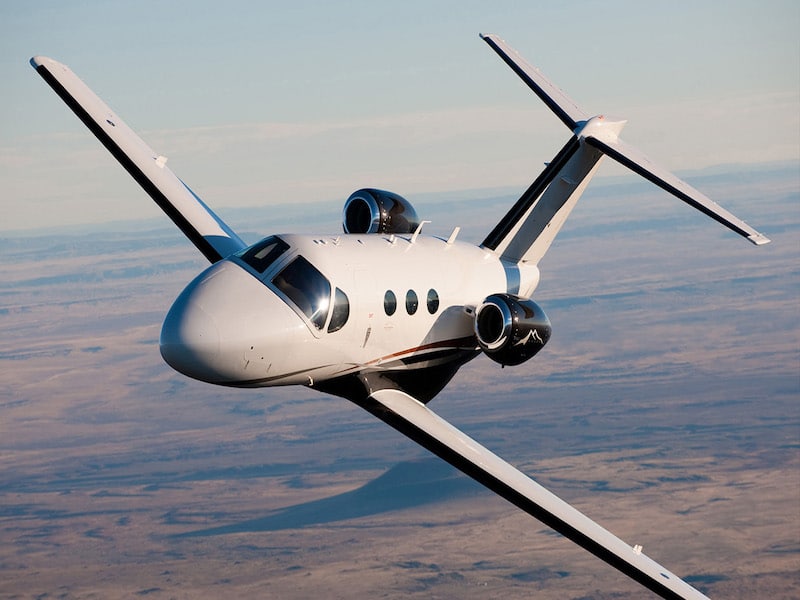
Business aviation is far more than a premium travel option—it is a strategic productivity tool.
Recover Three to Four Hours of Productive Time Per Trip
A typical commercial flight involves significant non-productive time spent on:
- airport security screening;
- check-in procedures;
- boarding queues;
- flight connections;
- transfers between major airports and the final destination.
With a fast business flight, executives usually arrive at a private terminal (FBO) only minutes before departure before flying directly to an airport much closer to their meeting location.
Depending on the route, companies can recover three to four additional productive hours during a single business trip.
Hold Confidential Meetings During the Flight
Unlike scheduled airline cabins, a business aircraft provides a completely private working environment.
Executives can:
- discuss confidential projects;
- prepare strategic presentations;
- negotiate sensitive contracts;
- review financial documents;
- conduct management meetings without interruption.
For companies operating in competitive industries, this level of confidentiality represents a considerable advantage.
Total Flexibility Over Departure Times
One of the defining characteristics of business aviation is schedule control.
Flights depart according to the company’s operational requirements rather than commercial airline timetables.
This flexibility allows executives to:
- leave early in the morning and return the same day;
- delay departure if meetings overrun;
- avoid unnecessary overnight stays;
- minimise time away from the office.
Access Thousands of Secondary Airports
Commercial airlines typically serve only a limited number of major airports.
Business aircraft can instead operate from thousands of regional airports throughout Europe.
Rather than landing several hours away from the final destination, a business aircraft for corporate travel can often arrive at an airport located only minutes from a manufacturing facility, client office or project site.
When Does Business Aviation Become Cost-Effective?
Many companies compare charter costs solely with the price of an airline ticket.
In reality, evaluating business aviation requires a broader assessment of productivity, efficiency and total travel costs.
Compare Aircraft Costs with Executive Hourly Value
A comprehensive return-on-investment analysis should include:
- executives’ hourly cost;
- travel time lost in transit;
- hotel expenses;
- meals and accommodation;
- ground transportation;
- opportunity costs resulting from reduced productivity.
When several senior executives travel together, the value of time saved often offsets a substantial portion of the aircraft charter cost.
Destinations Poorly Served by Commercial Airlines
Many industrial facilities, logistics centres and regional headquarters remain difficult to access using scheduled airlines.
Business aviation significantly reduces:
- connecting flights;
- lengthy road transfers;
- overnight stays;
- overall travel duration.
These advantages are particularly valuable in sectors such as manufacturing, pharmaceuticals, energy, engineering and infrastructure.
Visiting Multiple Cities in One Day
One of business aviation’s greatest strengths is multi-stop travel.
For example, an executive itinerary might include:
- Paris to Lyon;
- Lyon to Milan;
- Milan to Munich;
- return to Paris the same evening.
Completing such a schedule using commercial airlines would be virtually impossible.
Responding to Urgent Business Requirements
Unexpected situations often require immediate travel, including:
- industrial incidents;
- emergency board meetings;
- technical interventions;
- client crises;
- acquisition negotiations.
A charter aircraft can frequently be arranged within just a few hours, depending on aircraft availability.
Business Aviation Solutions for Every Corporate Profile
Different organisations have different travel requirements.
Several business aviation models exist to suit varying levels of demand.
On-Demand Charter: Ideal for Occasional Users
Companies with occasional executive travel needs generally benefit most from on-demand charter services.
A specialist broker selects the most appropriate solution for every mission, including:
- aircraft category;
- certified operator;
- airport selection;
- departure schedule.
This option requires no annual commitment while providing complete flexibility.
Jet Cards
Businesses flying more regularly may benefit from prepaid jet card programmes.
Typically becoming attractive from approximately 20 flight hours per year, jet cards offer:
- predictable budgeting;
- simplified booking procedures;
- guaranteed service standards;
- quicker aircraft availability.
Membership and Subscription Programmes
Heavy business aviation users may choose subscription-based solutions.
Depending on the provider, these programmes may include:
- priority aircraft access;
- negotiated hourly rates;
- personalised concierge services;
- simplified travel management.
They are particularly suitable for multinational corporations with frequent executive travel requirements.
ACMI and Wet Lease Solutions
Beyond executive charter services, Avico also supports airlines and large corporations through ACMI (Aircraft, Crew, Maintenance and Insurance) and wet lease agreements.
These solutions enable operators to temporarily strengthen fleet capacity or respond to specific operational requirements while benefiting from a fully crewed and maintained aircraft.
How Avico Supports Your Corporate Travel Strategy
Business aviation should form part of a broader corporate mobility strategy rather than simply serving as an occasional travel solution.
Avico works alongside businesses to identify the most efficient approach based on actual travel patterns.
A Tailored Analysis of Your Annual Travel Requirements
Before making recommendations, Avico evaluates factors including:
- annual travel frequency;
- destination network;
- average passenger numbers;
- scheduling constraints;
- indirect travel costs.
This analysis helps determine whether on-demand charter, a jet card or a subscription programme offers the best long-term value.
Corporate Framework Agreements with Automated Reporting
For organisations operating multiple charter flights each year, Avico can establish framework agreements including:
- centralised booking management;
- monthly activity reporting;
- detailed expenditure analysis;
- simplified invoicing.
These reporting tools provide procurement departments and finance teams with greater visibility over travel spending.
Carbon Offset Programmes for Every Flight
Environmental responsibility has become an increasingly important aspect of corporate travel policies.
To support clients’ sustainability objectives, Avico offers systematic carbon offset solutions across all charter operations, complementing ongoing efforts by operators to improve fleet efficiency and reduce emissions.
This approach enables organisations to integrate business aviation into a broader ESG strategy.
Why Work with a Business Aviation Broker?
The European business aviation market includes hundreds of operators offering varying aircraft types, service levels and operational capabilities.
Working with a specialist broker such as Avico provides several advantages:
- access to an extensive network of certified operators;
- impartial aircraft selection;
- cost optimisation;
- 24/7 operational support;
- fully customised travel solutions.
Whether arranging a single executive trip or managing a long-term corporate travel programme, an experienced broker helps companies maximise efficiency while reducing operational complexity.
Conclusion
Business aviation has evolved into a strategic corporate mobility solution rather than simply a luxury travel option. By reducing non-productive travel time, improving scheduling flexibility and enabling direct access to regional destinations, business aircraft help organisations increase executive productivity while supporting faster decision-making.
Whether arranging a one-off executive meeting, a multi-city European itinerary or an urgent operational response, Avico delivers tailored charter solutions designed around each company’s unique requirements.
Frequently Asked Questions
How many business trips per year justify using business aviation?
There is no universal threshold. Avico analyses each company’s travel profile, including destinations, travel frequency, passenger numbers and time spent in transit. For some executive teams, even one business flight per month can deliver a measurable return on investment.
Is business aviation only suitable for large corporations?
No. Small and medium-sized enterprises now represent a growing share of business aviation users across Europe. On-demand charter solutions allow companies to benefit from private aircraft without purchasing an aircraft or committing to minimum annual flight volumes.
How can business aviation be justified to finance departments?
Avico can prepare a detailed ROI assessment based on the company’s actual travel profile. The analysis considers executive hourly costs, time savings, travel efficiency, destination accessibility and comparisons with equivalent commercial travel options, providing finance teams with objective decision-making data.
votre lecture
With its European institutions, international organisations and strong economic ecosystem, Brussels holds a unique position in business travel ...
 Blog
Blog
When a patient is hundreds or thousands of kilometres from a facility capable of providing the care they need, air transport can become an ...
 Blog
Blog
A professional football season isn’t decided on the pitch alone. Between league fixtures, domestic cups and European competitions, clubs ...