


International competition: what constraints should be anticipated for athletes’ air travel?

Taking part in a competition abroad involves much more than simply travelling by plane. Air travel for athletes competing internationally must take into account regulatory, operational and logistical constraints specific to each destination.
Travel documents, flight permits, customs regulations, equipment transport, airport operating hours and time differences can all have a direct impact on the organisation.
The objective is therefore to anticipate the specific requirements of the trip sufficiently early in order to limit unexpected issues and allow the team to follow its sporting schedule.
What formalities should be planned for an international competition?
Formalities are one of the main elements that differentiate international travel from domestic travel.
Check travel documents
Before departure, it is necessary to check that each member of the delegation has the documents required to enter the country concerned.
Depending on the destination, these may include:
- a valid passport;
- a visa;
- an electronic travel authorisation;
- supporting documents requested by local authorities.
These checks must be carried out sufficiently early, as processing times may vary depending on the country.
Anticipate destination-specific requirements
Entry requirements are not the same everywhere.
Some destinations may impose specific rules regarding passport validity periods, documents to be presented or formalities to be completed before travelling.
It is therefore important to check the requirements applicable to the entire delegation before definitively confirming the programme.
What flight permits may be required?
An international flight may require different authorisations depending on the countries crossed and served.
Flight Permits
Depending on the itinerary, overflight or landing permits may be required.
Managing Flight Permits makes it possible to anticipate these formalities in order to check that the aircraft is authorised to operate on the planned route.
Processing times and procedures may vary depending on the authorities concerned.
It is therefore important to include this stage sufficiently early in the flight preparation process.
Airport-specific constraints
Each airport may also apply its own rules.
These may include:
- specific opening hours;
- night restrictions;
- limitations related to the type of aircraft;
- take-off or landing slots;
- specific procedures for certain international flights.
These constraints may affect the initially desired schedule.
What is the role of Flight Dispatch?
Preparing an international flight requires precise operational coordination.
Flight Dispatch helps support flight preparation by taking into account the characteristics of the route, airport constraints and operational requirements.
Prepare the route
The route must be studied according to the destination, airport options and applicable restrictions.
In some cases, several options may be considered in order to select the solution that best fits the team’s programme.
Check operational constraints
Preparation may also include checking various elements required for the flight to operate smoothly.
Schedules, permits, operating conditions and airport-specific constraints must be compatible with the sporting programme.
This coordination becomes particularly important when several countries are involved.
How can sports equipment be transported internationally?
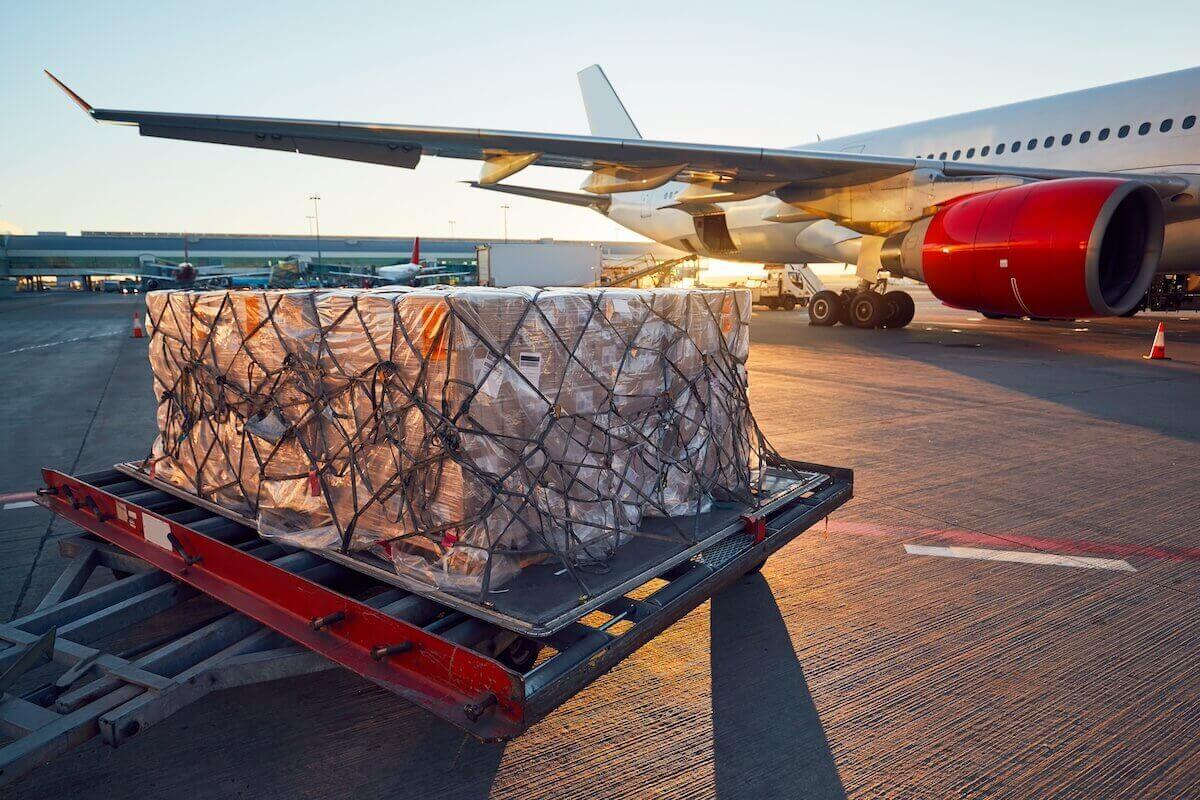
Transporting equipment is often a sensitive issue when travelling abroad for a competition.
A delegation may travel with medical equipment, training equipment, oversized baggage or items specific to the sport.
Identify the equipment precisely
Before departure, an inventory of the equipment being transported must be prepared.
The number of items, their weight, dimensions and nature must be communicated sufficiently early.
This preparation makes it possible to check loading conditions and anticipate any potential constraints related to the flight or destination.
Anticipate customs formalities
During international travel, certain equipment may be subject to customs formalities.
The nature of the equipment, its value or its intended use may influence the documents required.
It is therefore important to check in advance the rules applicable in the destination country as well as on the return journey.
Plan for oversized equipment
Some sports require particularly bulky equipment.
These items must be reported before the trip in order to check that they can be transported on the planned aircraft and handled correctly on arrival.
How should time differences be taken into account?
For an international competition, travel can have a direct impact on athletes’ physical preparation.
Time differences can affect sleep cycles, meal times and training periods.
Adapt the arrival time
When the destination has a significant time difference, it may be useful to plan an arrival sufficiently early before the competition.
This allows the team to have an adjustment period before training sessions or events.
Integrate travel into sports preparation
The flight schedule can also be planned according to the team’s routine.
The objective is to limit disruptions caused by the journey as much as possible and to integrate travel into the overall preparation programme.
How can ground operations abroad be coordinated?
Once the aircraft has arrived, several parties may be involved in handling the team and the aircraft.
Ground coordination therefore becomes an important part of the trip.
Handling & Ramp Supervision
Handling & Ramp Supervision makes it possible to supervise various operations carried out at the airport.
This may include coordinating disembarkation, baggage, equipment and the services required around the aircraft.
This supervision facilitates communication between the various parties present on site.
Organise the delegation’s arrival
The vehicles arranged to transport the team must be coordinated with the actual arrival time.
The volume of baggage and sports equipment must also be taken into account.
Poor coordination on arrival can quickly cause delays to the planned programme.
How can several service providers in different countries be managed?
International travel may involve numerous parties.
The airline, operator, airport, handling company, ground transport provider, hotel or competition organiser may sometimes need to work together.
Centralise information
Schedules, contact details, procedures and important information must be shared with the relevant people.
Having a central point of contact helps limit information loss and simplify coordination.
Anticipate local differences
Practices may vary depending on the country and airport.
Processing times, procedures and operational constraints are not always the same.
Preparation adapted to each destination therefore helps reduce the risk of misunderstandings or delays.
How can unexpected events during an international competition be anticipated?
Even with precise preparation, several events may disrupt the trip.
Weather conditions, airport congestion, programme changes or changes to the competition schedule may require adjustments.
Plan several scenarios
Whenever possible, it may be useful to consider alternative solutions before departure.
This may involve another schedule, another airport or a change to transfers.
This preparation makes it possible to respond more quickly if the initial programme can no longer be maintained.
Ensure operational monitoring
Monitoring the trip makes it possible to check how the programme is progressing and inform the various service providers in the event of a change.
This coordination is particularly important when the team has a tight schedule.
What services can support international travel?
Depending on the project’s needs, several complementary services can be integrated into the organisation.
Flight Dispatch and Flight Permits
These services support the operational preparation of the flight and the management of the necessary permits.
They are particularly useful when the route involves several countries or specific regulatory constraints.
Handling & Ramp Supervision
Ground supervision makes it possible to coordinate the operations carried out around the aircraft and facilitate the handling of passengers and equipment.
Ticketing & HOTAC
In some cases, Ticketing & HOTAC solutions can complement the organisation of the trip.
They may include ticketing, accommodation or certain services required for crews or travellers.
Why use Avico for international sports travel?
Organising air travel for a team abroad requires the coordination of regulatory, operational and logistical constraints.
Avico supports clubs, federations and sports organisations in preparing their international travel.
Anticipate destination constraints
Needs are assessed according to the country, airports used, number of travellers and equipment transported.
Formalities and operational constraints can therefore be integrated from the preparation stage.
Coordinate the various parties
Avico can centralise information related to the flight and facilitate coordination between the various service providers involved in the trip.
This organisation helps maintain an overall view of the journey.
Adapt the organisation in the event of a change
When an element of the programme changes, the available solutions can be reassessed according to operational constraints.
This ability to adapt is particularly important during international competitions.
FAQ – Air travel for athletes competing internationally
What formalities should be planned for an international competition?
It is particularly important to check passports, visas or entry authorisations required by the destination country, as well as any formalities related to the equipment being transported.
What are Flight Permits used for?
Flight Permits are authorisations that may be required to fly over certain countries or land at certain destinations.
How can sports equipment be transported abroad?
The equipment must be identified before departure in order to check its weight, volume, loading options and any potential customs formalities.
Why is Flight Dispatch important?
Flight Dispatch contributes to the operational preparation of the flight by taking into account the route, airports and applicable constraints.
How can an unexpected event during an international competition be managed?
Operational monitoring and advance preparation make it possible to consider alternative solutions more quickly when a schedule change or airport constraint occurs.
Organise your athletes’ international air travel with Avico
An international competition involves specific constraints that must be anticipated well before departure.
Travel formalities, flight permits, ground coordination, equipment transport and operational management must all be integrated into the organisation.
Avico supports clubs and sports organisations in preparing their international travel and coordinating the various stages of the journey.
Contact Avico to discuss the organisation of your team’s air travel for your next international competition.
votre lecture
In 2025, French airports welcomed 210.5 million passengers, according to the Union of French Airports. However, air connectivity remains uneven ...
Global business travel spending is expected to reach $1.71 trillion in 2026, according to the Global Business Travel Association (GBTA). Against ...
Participating in an international trade show involves much more than booking a few plane tickets. From transporting teams and shipping exhibition ...